
A pet grooming course trains you to care for multiple species—bathing, nail trims, ear cleaning, basic handling and safety—so you can work in shelters, clinics or general salons pet grooming courses. A dog grooming course focuses on canine anatomy, clipper and scissor technique, breed‑specific cuts and show standards for precision and finish. Pet courses emphasize versatility and situational judgement; dog courses enforce exact styling and tool finesse. Keep going and you’ll get practical guidance to pick the right path for your goals.
What Each Course Covers: Scope and Curriculum
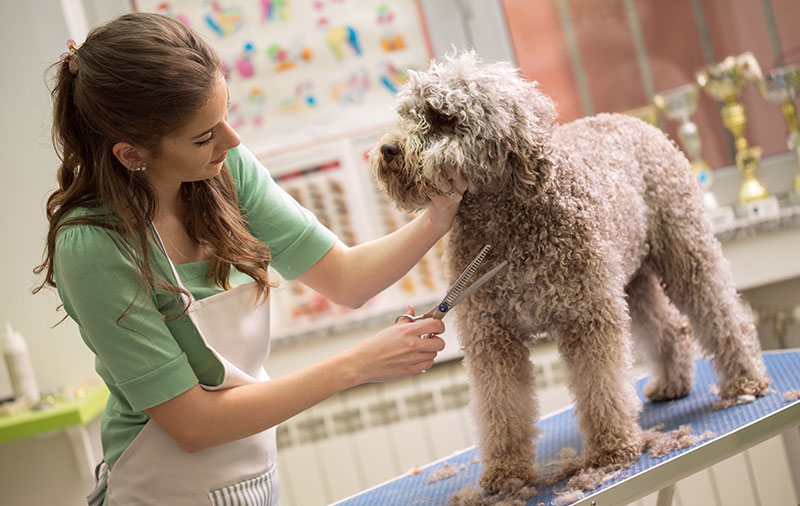
When you compare a general pet grooming course with a dog-specific grooming course, you’ll see they take different approaches: pet grooming programs cover wide-ranging species care—basic bathing, nail trimming, ear cleaning, and species-specific handling for cats, rabbits, and small mammals—while dog grooming courses dig deeper into canine anatomy, breed-specific cuts, clipper skills, and show-standard styles. You’ll learn to choose appropriate products and adjust techniques across species in a pet course, gaining broad safety and handling knowledge that frees you to work with many animals Pet Universe Cosmos. A dog-focused curriculum teaches you precision: recognizing breed patterns, grading scissors and clippers, and executing standard and creative trims. Both include equipment maintenance, sanitation protocols, and client communication, but depth and application differ.
Practical Skills and Hands‑On Training Differences
Although both courses give hands‑on practice, you’ll get different kinds of muscle memory: a pet grooming program trains you to handle varied species safely and perform basic, repeatable tasks (bath, dry, nail trim, ear care) across body types, while a dog grooming course drills precision techniques—scissor stacking, clipper grading, breed‑specific styling, and finishing touches—that demand repetitive practice to master. You’ll practice situational judgement too: pet grooming teaches quick adaptation when an animal resists or has health concerns, while dog grooming enforces exact posture, tension, and line work for consistent results. Both teach equipment maintenance and clean station workflows, but dog courses push tool finesse. You’ll also rehearse customer communication—explaining realistic outcomes, home care, and scheduling—to keep your business efficient and freeing.
Certification, Licensing, and Industry Standards
Hands‑on practice builds the technical confidence you’ll need, but meeting legal and professional expectations determines whether you can work and how clients judge your competence. You’ll want to compare certification pathways: some courses lead to nationally recognized credentials, others offer industry badges or manufacturer-specific certificates. Choose a path that matches the scope you want—multi‑species pet credentials or focused dog grooming certification. Check local licensing requirements early: some states or municipalities require business permits, health inspections, or specific animal handling endorsements. Adopt documented protocols and continuing education to stay compliant and trustworthy. Clear recordkeeping of certifications, training hours, and safety procedures helps you prove competence and preserves the freedom to operate where and how you want.
Career Paths, Salary Expectations, and Business Options
If you want to turn grooming skills into a career, you’ll find multiple paths—from employee roles in salons and veterinary clinics to mobile grooming, specialist breeds, competition grooming, or running your own shop. You can work as a pet stylist on-staff, join a high-volume salon, or focus on couture work for show dogs; each path affects income, schedule, and client load. Mobile grooming gives you freedom to set routes and premiums but requires vehicle and marketing investment. Salaries vary: entry-level salon roles pay modestly; experienced pet stylists and business owners can earn considerably more, especially with add-on services and repeat clients. Consider overhead, local demand, and how much autonomy you want before choosing your path.
Choosing the Right Course for Your Goals
Start by matching course features to your career goals so you get skills you’ll actually use. Decide whether you want mobility, salon stability, or mobile freedom, then pick a course that teaches practical techniques and client communication. Look for hands-on hours, live models, and modules on breed handling if you’ll work with varied dogs.
- Prioritize real-world practice: internships, assessments, and business basics.
- Check curriculum fit: dog-specific grooming vs. broader pet care and client communication.
- Verify credentials: industry recognition, instructor experience, and post-course support.
You’ll move faster toward independence when the course aligns with your target clients, service model, and desired lifestyle. Choose training that builds confidence, efficiency, and consistent results.
Conclusion
Choosing between a pet grooming course and a dog grooming course comes down to your goals. If you want broad skills for multiple species, a pet grooming program gives variety and flexibility. If you plan to specialize, earn higher pay, or work in professional dog salons and competitions, a dog grooming course offers deeper canine-focused training. Consider curriculum, hands‑on hours, certification, and career plans, then pick the program that aligns with the clients and income you want.


