
Water quality testing is essential for environmental protection and public health. Lab Alliance Solutions employs ion chromatography, a sophisticated method for analyzing water samples. This technique excels in detecting various ionic species, including harmful contaminants Anion analysis. The automated processes enhance the precision of results, ensuring compliance with regulatory standards. Understanding the intricacies of ion chromatography reveals its significant role in safeguarding water quality. However, the specific methodologies and their implications warrant further exploration.
Understanding Ion Chromatography and Its Importance in Water Testing
Although water quality is essential for public health and environmental sustainability, the complexity of contaminants necessitates advanced analytical techniques for accurate assessment.
Ion chromatography, a significant method in this area, leverages chromatography principles to separate and quantify ionic species in water samples https://laballiance.com.my/. This technique hinges on the behavior of ions, which differ in charge and size, consequently enabling their differentiation during the chromatographic process.
Utilizing a stationary phase, ion chromatography selectively retains ions based on their interactions with the medium. As the mobile phase carries the sample through the column, varying retention times allow for the precise identification of individual ions.
This method is critical for detecting pollutants, such as heavy metals and anions, providing important data for regulatory compliance and environmental protection. By employing ion chromatography, water testing laboratories can guarantee that water quality meets safety standards, thereby safeguarding public health and promoting ecological integrity.
The Process of Ion Chromatography at Lab Alliance Solutions
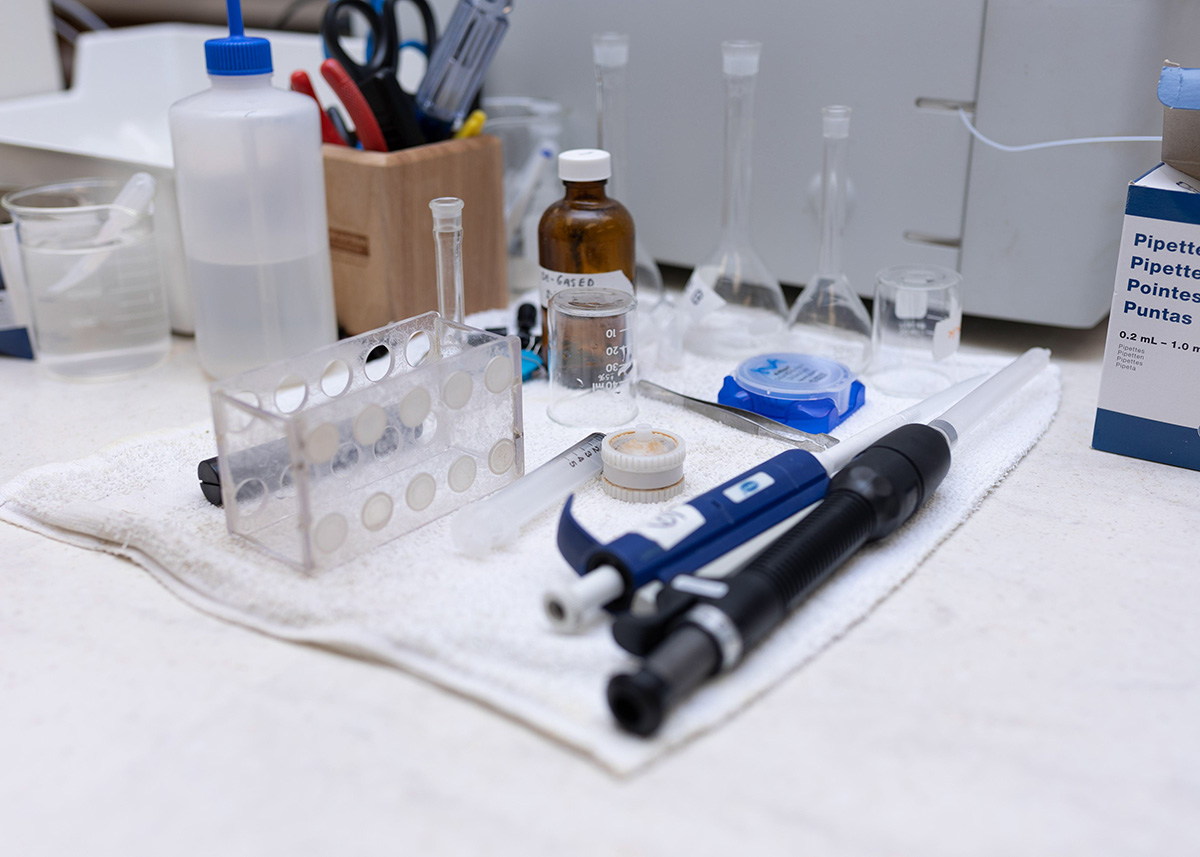
Lab Alliance Solutions employs a meticulous approach to ion chromatography, ensuring accurate and reliable water quality analysis. The process begins with sample preparation, where water samples are carefully filtered and possibly diluted to eliminate particulate matter and achieve ideal concentration levels for analysis. This step is critical, as it directly influences the sensitivity and precision of the results.
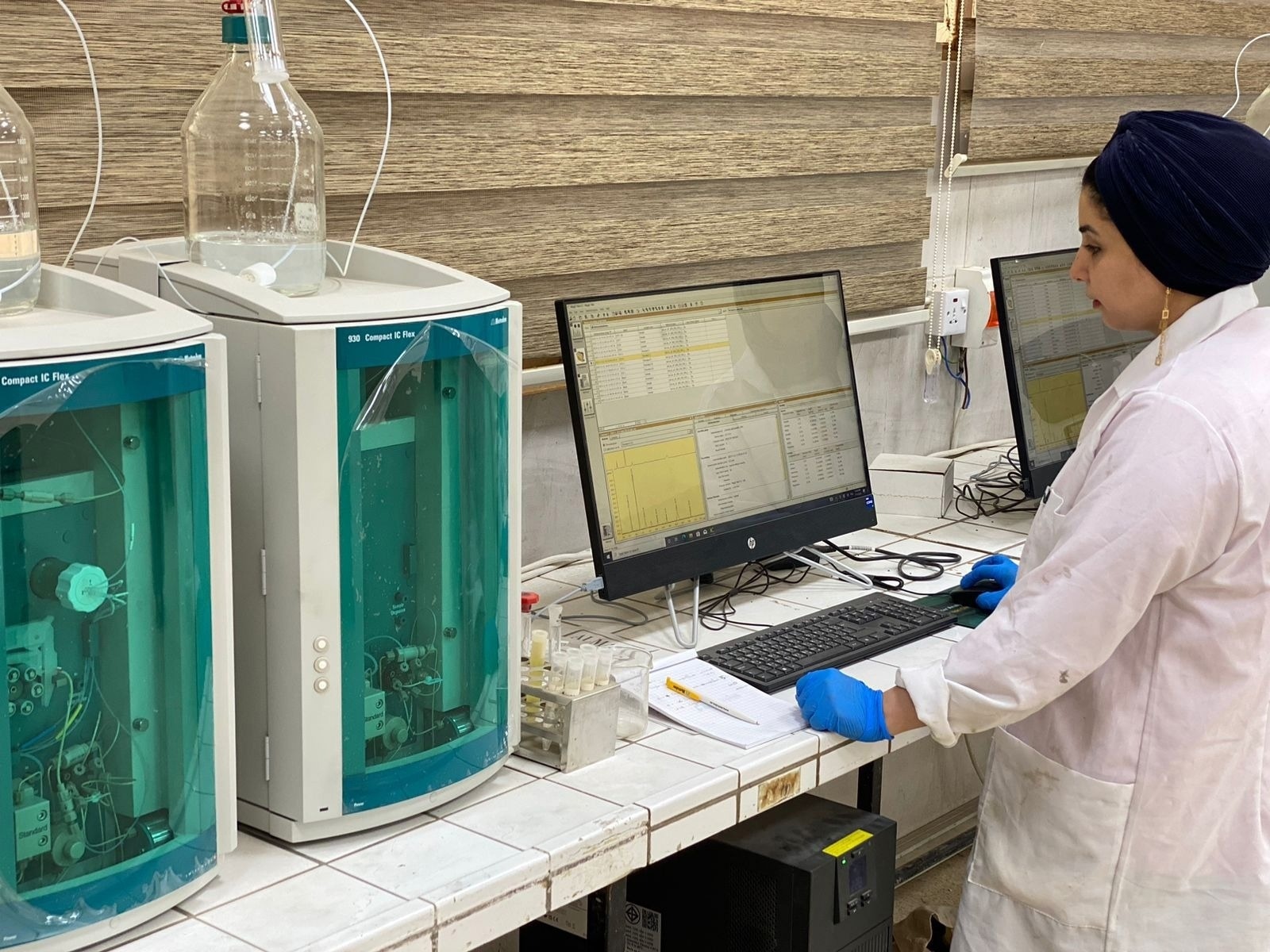
Following sample preparation, advanced analytical techniques are utilized within the chromatographic system. The samples are injected into a separation column, where ions are separated based on their charge and affinity for the stationary phase. A suitable eluent is then passed through the column, facilitating the movement of ions and leading to their detection by a conductivity detector.
This structured methodology enables Lab Alliance Solutions to deliver high-quality results, reinforcing their commitment to rigorous water quality testing standards. The integration of precise sample preparation and sophisticated analytical techniques forms the backbone of their ion chromatography process.
Key Ions and Contaminants Analyzed Through Ion Chromatography
Ion chromatography is instrumental in identifying a range of key ions and contaminants critical to water quality assessment. This analytical technique efficiently separates and quantifies various anions and cations, providing essential data for environmental monitoring.
Common contaminants analyzed include nitrate, nitrite, sulfate, and chloride, all of which can greatly impact aquatic ecosystems and human health. Additionally, ion chromatography can detect heavy metals, such as lead and arsenic, which pose severe risks when present in drinking water.
The method’s high resolution and sensitivity facilitate the identification of even trace levels of these contaminants, enabling regulatory compliance and informed decision-making. By employing ion chromatography, laboratories gain the ability to generate detailed profiles of water quality, thereby fostering a deeper understanding of the contaminants present.
This capability is pivotal for developing effective strategies to mitigate pollution and guarantee safe water resources for communities.
Benefits of Using Ion Chromatography for Water Quality Testing
When evaluating water quality, the application of ion chromatography offers numerous advantages that enhance both the accuracy and efficiency of testing processes. This analytical technique is capable of separating and quantifying multiple ions simultaneously, thereby improving testing accuracy compared to traditional methods. The precision of ion chromatography allows for the detection of trace levels of contaminants, which is essential for evaluating potential environmental impact.
Moreover, the method’s rapid analysis capabilities enable timely decision-making regarding water quality management, allowing for quicker responses to contamination events. The automation of ion chromatography reduces human error and guarantees consistent results, further contributing to reliable data.
Additionally, its ability to analyze a wide range of ionic species makes it versatile for various environmental scenarios. Collectively, these benefits position ion chromatography as an important tool in maintaining high standards for water quality testing, thereby safeguarding ecological and public interests.
Ensuring Public Health Through Accurate Water Quality Analysis
Accurate water quality analysis is critical for ensuring public health, as contaminated water can lead to a myriad of health issues and environmental degradation. Reliable testing methods, such as ion chromatography, facilitate the detection of harmful contaminants, thereby promoting water safety.
Key factors influencing public health through water quality analysis include:
- Detection of contaminants: Identifying harmful substances like heavy metals and nitrates.
- Regulatory compliance: Ensuring water sources meet established safety standards.
- Public awareness: Informing communities about potential risks associated with their water supply.
- Environmental protection: Safeguarding ecosystems by monitoring pollutants that can affect aquatic life.
Conclusion
To summarize, Lab Alliance Solutions’ utilization of advanced ion chromatography for water quality testing exemplifies a critical commitment to environmental integrity and public health. By effectively identifying and quantifying key ionic contaminants, the laboratory enhances regulatory compliance and fosters awareness of water safety risks. The automated processes employed guarantee high reliability and accuracy of results, ultimately contributing to improved water sustainability. This approach not only safeguards public health but also underscores the significance of precise analytical methods in environmental monitoring.


